
Tata’s Bold Diesel Move! Grabs Fiat’s Engine License — Here’s What It Means for Safari, Harrier & More
On the Ground Report: A Game-Changing Deal You Might Have Missed
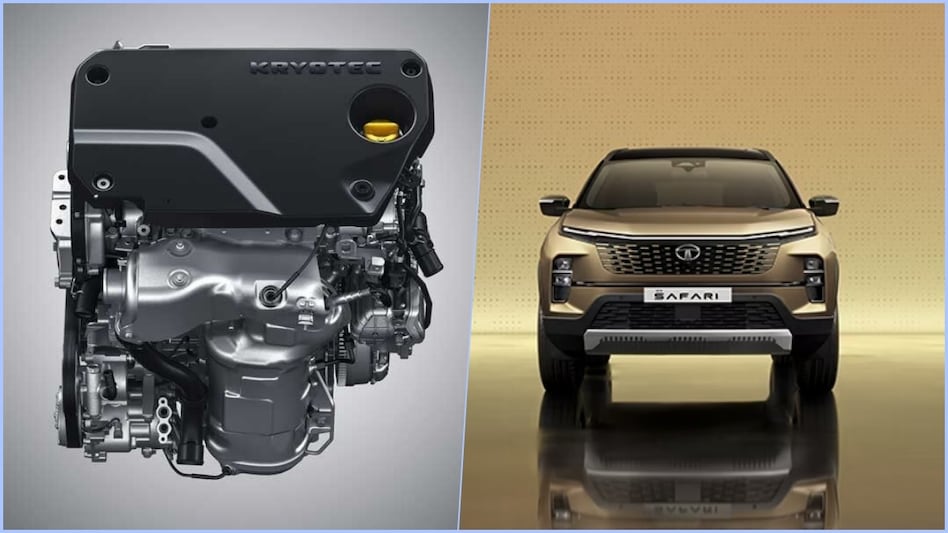
From the chatter around Pune’s auto manufacturing corridors to boardroom whispers now hitting headlines, something big just happened — and it’s all about diesel. Tata Motors, a name that’s long become synonymous with rugged reliability in the Indian SUV space, has quietly pulled off a major industry maneuver. The company has secured the full rights todevelop and upgrade Fiat’s well-known 2.0-litre Multijet diesel engine— the same powerhouse that drives popular models like the Harrier and Safari.
And this isn’t just any deal. As it appears, it’s a turning point that could shape Tata’s future in diesel mobility, especially at a time when stricter emission norms are knocking on every automaker’s door.
What Exactly Happened?
Tata Motors has officially signed aTechnology License Agreementwith Fiat India Automobiles Private Limited (FIAPL), a subsidiary of the Stellantis Group. The agreement was quietly inked inQ4 of FY 2025, but the implications are just beginning to ripple through the auto industry now.
As per reports originally published by Autocar India, Tata has now been handed the reins to independentlymodify, upgrade, and fine-tune the 2.0L diesel engine— without needing repeated approvals from Stellantis, as was the case earlier. That’s big. Really big.
This particular engine — codenamedFAM B 2.0L— has been a workhorse for several leading automakers in India. Until now, though, any tweaks or performance recalibrations required a formal nod from Fiat/ Stellantis. Even minor changes in ECU mapping would reportedly cost Tataup to €10 million (about ₹97 crore)per update. Yep, you read that right.
But with this new licensing deal, that dependency is gone.
Where Is the Engine Made? A Quick Background
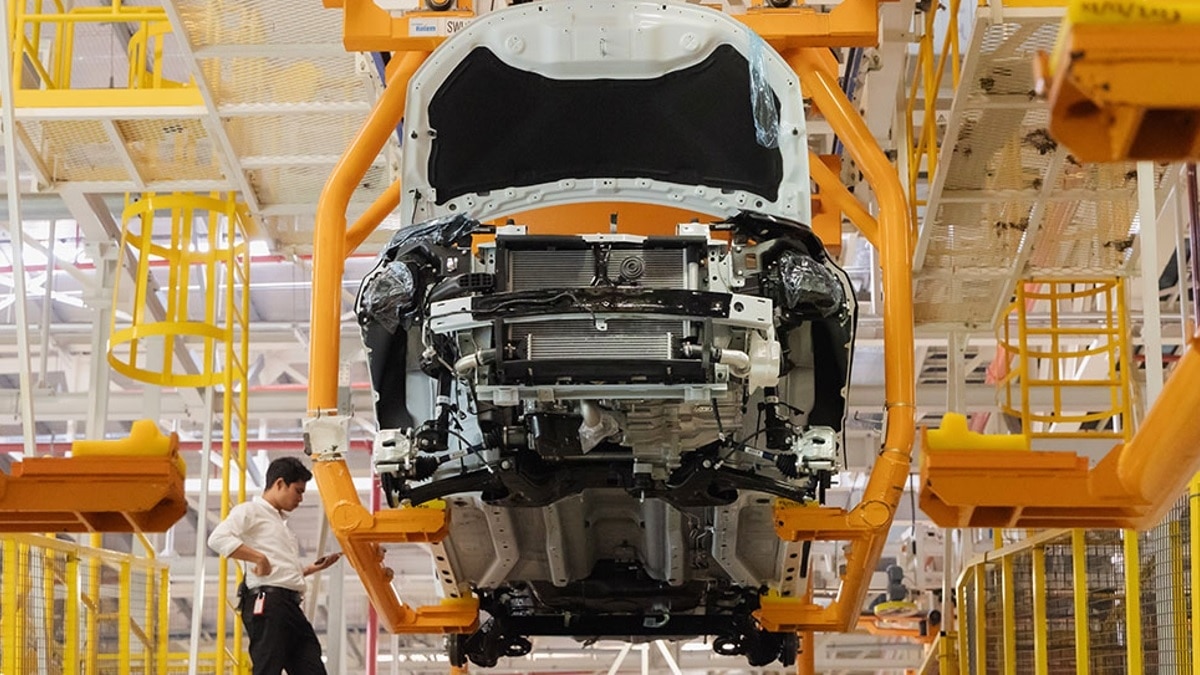
This 2.0-litre diesel unit isn’t just a global product—it’s very much Indian in terms of production. It’s manufactured at theRanjangaon facility in Maharashtra, ajoint venture plant run by Tata Motors and Stellantis. So, while Fiat supplied the tech, Tata’s been very much in the loop from a manufacturing standpoint all along.
Now with the tech rights in hand, Tata can not only tweak the engine but also re-engineer it for future models and tighter emission norms—thinkBharat Stage VII (BS7)or evenEuro 7equivalents.

What Cars Use This Engine?
You’re probably familiar with the TataHarrierandSafariSUVs—both of which are powered by this very 2.0-litre Multijet diesel engine, though it’s badged as “Kryotec” under Tata’s lineup.
But that’s not all. This engine also sits under the hood of other popular vehicles:
Jeep Compass
Jeep Meridian
MG Hector
MG Hector Plus
So the impact of Tata’s move might extend beyond its own showroom floors. Though it remains unclear whether MG or Jeep will be supplied the upgraded engine in the future, the fact that Tata now holds the upgrade keys could shift supply dynamics.
Interestingly, reports are also hinting thatMG Motor India may discontinue its diesel engine lineup altogether by next year, likely due to the pressure of upcoming emission regulations. This could leave Tata with a bigger playing field in the diesel SUV market.
Upcoming Launch: The New Sierra May Get It Too
Now here’s where things get really exciting for Tata fans. Industry insiders suggest that thenext-generation Tata Sierra, expected to launch later this financial year, might debut with this very diesel engine under the hood—likely with a few in-house enhancements now that Tata has full control over its development.

It’s a smart play. Given the Sierra’s nostalgic appeal and positioning as a modern-day off-roader with rugged DNA, pairing it with a tried-and-tested engine makes total sense.


Why Is This Deal So Crucial for Tata?
Well, let’s unpack that a bit:
Total Technical Freedom:Tata now has complete autonomy to upgrade the engine as per its future needs, including adapting it to BS7 or EV-hybrid compatibility scenarios if needed.
Cost-Efficiency:No more paying exorbitant fees to Stellantis for minor changes. This reduces operational friction and cuts costs significantly in the long run.
Faster Time to Market:With full development rights, Tata can roll out engine updates and new powertrains faster than before, responding quicker to market needs.
Diesel Is Not Dead—Yet:Despite the EV wave, diesel SUVs continue to enjoy steady demand in India, especially in tier-2 and tier-3 cities. Tata is clearly banking on this trend to hold for a few more years.
What Tata Motors Had to Say
In an official statement, a Tata Motors spokesperson confirmed the strategic nature of the deal:
“Tata Motors Passenger Vehicles and Stellantis have signed a licensing agreement in FY25 Q4, which allows us to develop and make technical modifications to the FAM B 2.0L diesel engine platform, tailoring it to our future portfolio requirements.”
Is Tata Gearing Up for a Diesel Comeback?
It seems so. While many automakers are scrambling to electrify their lineup, Tata appears to be walking a hybrid path—literally and figuratively. By securing the heart of its flagship SUVs, the company is not just preserving its diesel legacy, but possibly reinventing it.

As per the buzz, the upgraded engine might even includebetter NVH (noise, vibration, and harshness) tuning,improved turbo efficiency, andoptimized fuel injection systems— though nothing’s official yet. Watch this space.
❓ FAQs
Q1. What engine license has Tata Motors acquired?
Tata Motors has secured the rights to develop and upgrade Fiat’s 2.0-litre Multijet diesel engine, also known as FAM B.
Q2. Which Tata vehicles use this engine?
Tata Harrier and Safari currently use this engine. The upcoming Sierra may also feature it.
Q3. Why is this move important for Tata Motors?
It gives Tata complete independence over engine development, helps reduce licensing costs, and allows faster product rollout.
Q4. Will other automakers like MG and Jeep get the upgraded engine?
There’s no confirmation yet. MG might exit diesel entirely by next year, and no statement has been made by Jeep.
Q5. Where is this engine manufactured?
The engine is built at the Ranjangaon plant, a joint venture between Tata Motors and Stellantis.
5 Lakh फ्री इलाज! आज ही बनवाएं Ayushman Health Card (2025)
(Read the latest news of the country and the world first on TalkAaj (Talk Today News), follow us on Facebook, Twitter, Instagram and YouTube)


